
Sound Frequency Healing: Published Research Archive

“DeepHR curates global studies—bridging ancient resonance with modern science.”
Summary: This study explores how specific frequencies (e.g., 10 Hz Alpha, 40 Hz Gamma) influence brainwave states, promoting relaxation, focus, and sleep. It highlights the therapeutic use of binaural beats and vibroacoustic stimulation.
Key Findings:
Alpha waves (8–12 Hz): relaxation and mental clarity
Gamma waves (30–100 Hz): enhanced cognition and memory
Delta waves (0.5–4 Hz): deep sleep and physical recovery
Brainwave Entrainment & Cognitive Effects
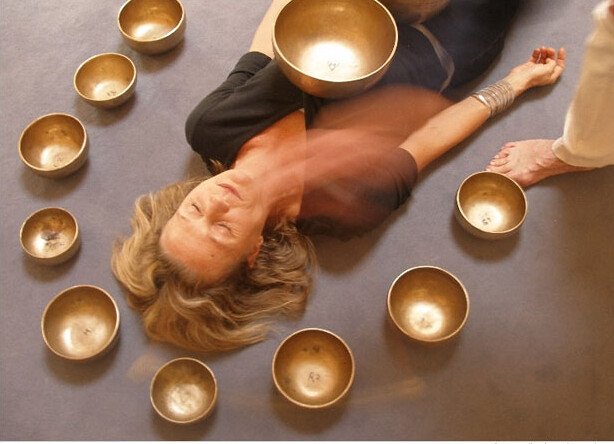
Singing Bowl Meditation & Stress Reduction
Summary: An observational study measured the effects of Tibetan singing bowl meditation on mood, tension, and well-being. Participants reported significant reductions in anxiety and physical discomfort.
Key Findings:
Decreased beta brainwave activity
Increased theta activity linked to deep relaxation
Benefits observed after a single 60-minute session
Music Therapy for Autism Spectrum Disorder
Summary: A meta-analysis of 13 randomized controlled trials evaluated music therapy’s impact on children with autism. Results showed improvements in behavior, emotional regulation, and social interaction.
Key Findings:
Significant reduction in irritability and hyperactivity
Enhanced emotional expression and engagement
Strongest effects in children under 12
Safe and Sound Protocol (SSP) for Autism
Summary: This pilot study assessed the SSP—a filtered sound therapy targeting the vagus nerve. Children with autism showed improved sensory processing and social responsiveness.
Key Findings:
Increased parasympathetic activity (measured via HRV)
Reduced sensory defensiveness
Most effective in early developmental stages